
CBSE Portal Faces Cyberattack: Understanding the Threat of DoS Attacks
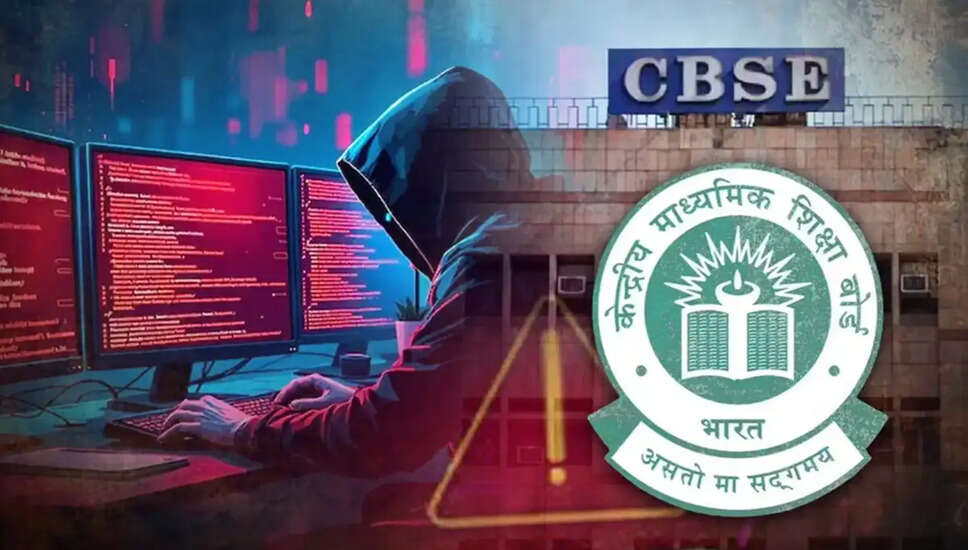
CBSE Portal Targeted by Cyberattack
Recently, the CBSE re-evaluation and verification portal experienced a significant cyberattack. During a time when numerous students were accessing the portal, hackers attempted to disrupt its functionality by overwhelming it with fake traffic. The Board reported that the portal received around 1.5 million hits in just two minutes. Despite this attack, the Board managed to process applications for over 16,000 students successfully. This incident has reignited discussions about Denial-of-Service (DoS) attacks and their implications.
Details of the Cyberattack
CBSE shared insights on social media, revealing that at one point, over 8,000 users were active on the re-evaluation portal. It was during this peak that cybercriminals executed a Denial-of-Service attack. The Board noted that approximately 1.5 million hits were directed at the portal within a mere two minutes, alongside over 100,000 unauthorized access attempts to system files. Fortunately, the cybersecurity team at CBSE effectively managed the situation, ensuring that by 3:00 PM, applications from more than 16,000 students were submitted successfully.
Understanding Denial-of-Service Attacks
A Denial-of-Service (DoS) attack is designed to make a website, server, or online service unavailable to legitimate users. Normally, a website can handle incoming requests efficiently; however, during a DoS attack, attackers inundate the system with excessive or fake traffic in a short period. This surge creates immense pressure on the server, potentially leading to slowdowns, error messages, or complete crashes. Consequently, genuine users may struggle to log in, fill out forms, or access services.
The Dangers of DoS Attacks
Cybersecurity professionals regard DoS attacks as a significant threat due to their potential to disrupt critical online services. If such an attack targets a government site, banking service, or educational platform, it could impact thousands or even millions of users. This disruption not only affects service delivery but also creates operational challenges for the affected institutions. Often, attackers use DoS attacks to distract security teams, allowing them to execute other malicious activities. Therefore, maintaining a robust cybersecurity framework and continuous monitoring is crucial for protection against these threats.