
Karnataka's Innovative Proposal for NEET UG 2026: Introducing Digi Exams
NEET UG 2026: A New Approach
The Karnataka Examinations Authority (KEA) has introduced an innovative concept for the NEET UG examination, proposing a 'Digi Exams' system inspired by the 'Digi Yatra' initiative utilized at airports.
This initiative aims to combat malpractice in the NEET UG medical entrance exam, particularly issues like impersonation, where individuals take the test on behalf of candidates. KEA officials have suggested that rather than outsourcing the exam to a private firm, it should be conducted as a computer-based test (CBT) using the existing infrastructure of technical institutions across the nation.
Key Meeting Highlights
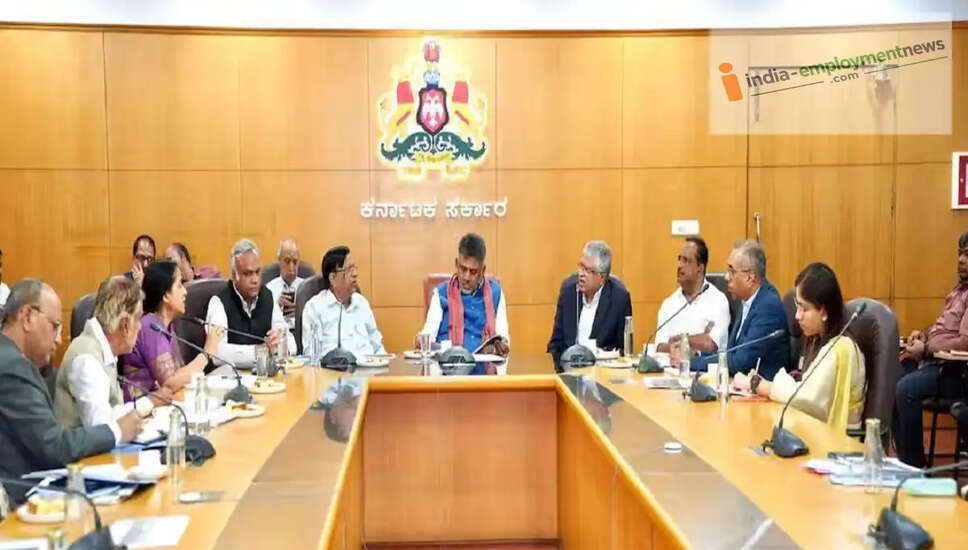
H. Prasanna, the Executive Director of KEA, presented this proposal during a meeting that included Deputy Chief Minister D.K. Shivakumar, officials from the Higher Education Department, and Nandan Nilekani, who chairs the high-level task force on examination security. Karnataka boasts the highest number of MBBS seats in India.
Utilizing Engineering College Infrastructure
In his presentation, Prasanna emphasized the importance of collaborating with the All India Council for Technical Education (AICTE) to facilitate the NEET CBT. He proposed leveraging the infrastructure already available in engineering colleges across the country. According to the AICTE’s Approval Process Handbook for 2024–27, there should be a minimum ratio of 1:10 between computers and students in engineering programs. Based on AICTE’s data and projected student numbers for the 2025–26 academic year, this network includes 6,754 institutions serving approximately 7.46 million students, with a capacity of around 7.40 lakh computer nodes.
Conducting a National Survey
Before implementing the Computer-Based Test (CBT), it has been suggested that a national survey be conducted by AICTE to evaluate the status of available computers, internet connectivity, power backup, and the presence of technical staff. Additionally, there are plans to conduct pilot tests in select states to assess network infrastructure, security measures, technical support, and emergency protocols.
Incorporating Class 12 Marks
During discussions with the Examination Reform Task Force led by Nandan Nilekani, representatives from various states proposed further reforms. They noted that relying solely on NEET-UG scores for admissions diverts students' attention from formal school education. Many students are enrolling in 'dummy schools' after Class 10, maintaining fake attendance while attending coaching institutes. To address this issue and reduce the 'coaching culture,' it has been proposed to consider Class 12 marks alongside NEET-UG scores for admissions into MBBS, BDS, and AYUSH courses. Additionally, transitioning from a pen-and-paper format to a Computer-Based Test (CBT) and conducting the NEET-UG examination twice a year has been suggested.